

8 průzkumů, které si jako marketér uděláte ještě tento týden
Test sdělení, ceny, názvu nebo bariér nákupu. Osm hotových zadání pro průzkum trhu v ChatGPT a Claude, každé za pár minut.

Průzkum trhu v ChatGPT a Claude: syntetický panel přes MCP Lakmoos
Připojte syntetický panel české populace do ChatGPT nebo Claude. Dotazník napíšete v chatu, výsledky máte za pár minut. Odhad celého průzkumu zdarma.
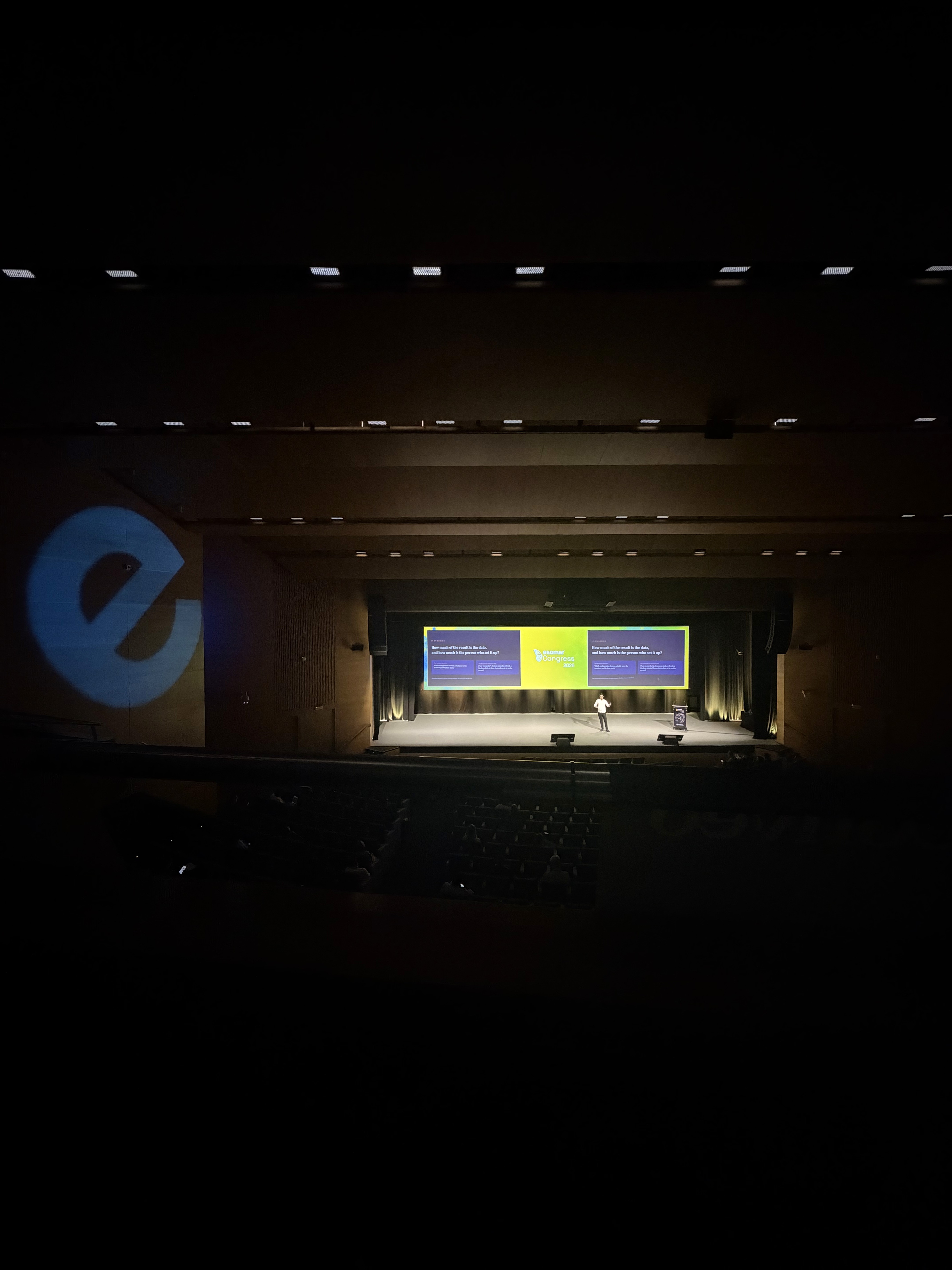
Esomar Congress 2026: Expertise in Metamorphosis
Lakmoos presented two papers at Esomar Congress 2026 on stage in Valencia: one on how AI is reshaping research expertise, one on why synthetic samples need reporting standards.

Digital Twins vs Synthetic Respondents: The Label Doesn't Matter, the Model Does
Labels are marketing. The model is the product. Digital twins, synthetic respondents, AI panels: the label doesn't determine accuracy, the underlying model does. Why LLM-based twins fail, why RAG doesn't fix it, and what a validated population model looks like.
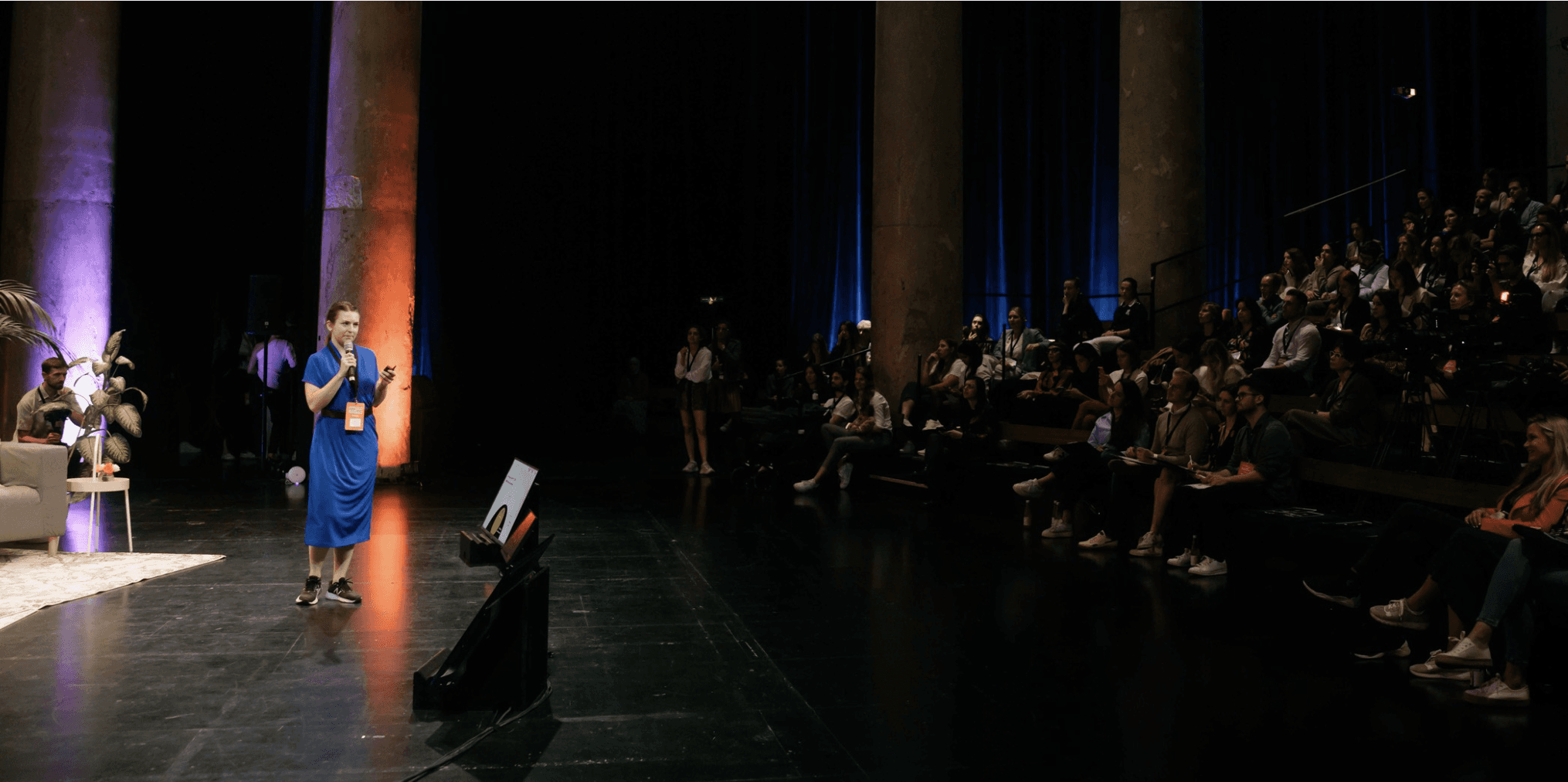
Your Synthetic Persona Is Not a Chatbot. Here's Why It Matters.
You asked ChatGPT to simulate your customer. It gave you a paragraph that sounded right. You made a decision. Here's what was actually happening inside — and why it matters more than you think.
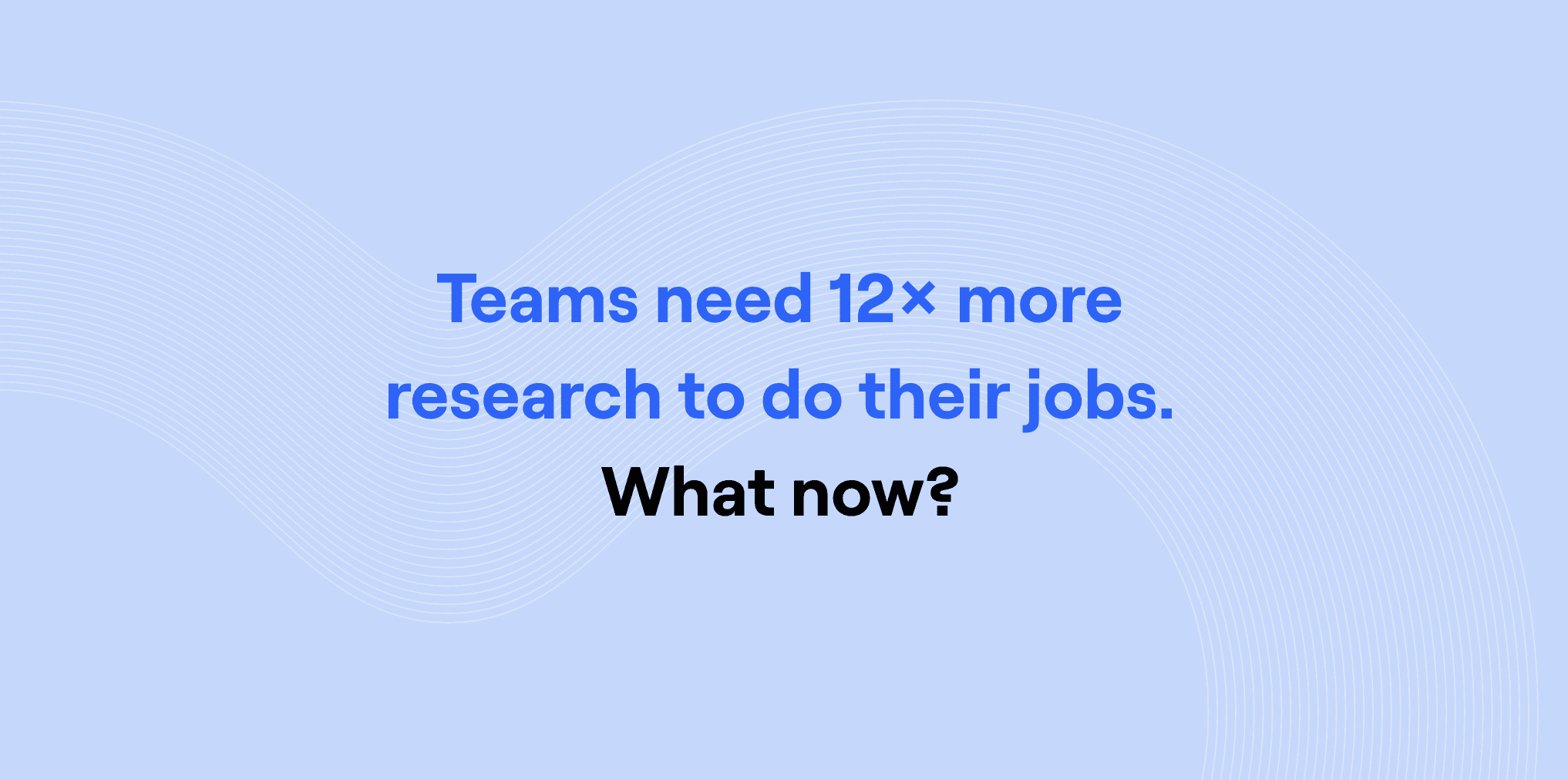
The 12× Problem: Why Teams Don’t Do Enough Research (And What Changes Now)
Most teams don’t lack research methods, they lack the capacity to test decisions. Across 20 companies, we found that teams need up to 12× more research than they actually conduct. This gap isn’t about discipline. It’s a structural problem. And with the rise of AI, it’s finally starting to shift.

What Are Synthetic Respondents? (2026 Guide to AI Market Research)
Synthetic respondents are AI-generated profiles that simulate how real people think, feel, and behave, enabling instant, scalable market research without traditional fieldwork. Learn what synthetic respondents are, how AI panels work, and when to use them. A complete 2026 guide to AI market research and synthetic data.
Lakmoos at Succeet 2026: The Future of Market Research Is Already Here
From AI-powered insights to synthetic respondents: what we learned at Europe’s leading insights event.

Synthetic Panels Are Not LLMs
Synthetic panels are increasingly conflated with large language models simply because both can generate human-like answers. This shortcut is understandable and dangerous. Confusing imitation with simulation leads to insights that sound right but fail under validation, putting research credibility and decision-making at risk.

Why Most AI Research Fails
AI is increasingly treated as a single, general-purpose solution for research. It isn’t. Different AI systems are built to answer fundamentally different kinds of questions and confusing them leads to fragile insights and false confidence. This article explains why collapsing “AI” into one category breaks research validity, and why precision in choosing AI approaches is becoming a methodological necessity rather than a technical detail.

If AI Panels Were Holiday Movies: A Festive Guide to Market Research Tools
From GPT-powered chatbots to full behavioral simulators, AI panels are having their “main character” moment in market research. But not all of them deliver insight you can actually defend. In this holiday-themed guide, we compare some of the biggest names in synthetic research to iconic Christmas films, humorous on the surface, but rooted in serious differences that every insights team should understand.

The Research Department of One: How AI Panels Enable Scalable Insight Without Headcount
UX research teams are under pressure to deliver fast, continuous user insight. Often without enough time, budget, or headcount. AI panels, also known as synthetic respondents or simulated users, provide a scalable way to test ideas, validate designs, and explore user behavior across segments in real time. This guide shows how lean UX teams can use AI panels to conduct high-quality research without delays, supporting product, design, and marketing decisions without sacrificing rigor or empathy.

The Rise of the AI Researcher: Are You Ready to Manage Machines?
AI isn’t replacing researchers, it’s creating a new kind of one. In a world where synthetic panels and AI agents can run entire studies in minutes, the role of the researcher is shifting fast. If you still see yourself only as a moderator or survey designer, you might be falling behind. The future belongs to insight leads who know how to manage machines, at scale, with precision, and without losing the human edge.

The Executive Guide to AI Panels in Marketing and Product
C-level leaders are under pressure to move faster without compromising quality, insight, or brand trust. Traditional market research is too slow, and assumptions too risky. AI panels, also known as synthetic respondents or AI-generated consumer simulators offer a faster, more scalable way to validate marketing, product, and customer experience decisions. This guide explains what AI panels are, how they work, and why leading companies use solutions like Lakmoos to enable real-time, explainable consumer insight at scale.

AI Panels: Not All Are Created Equal
Everyone’s talking about AI panels. But most are built for speed, not trust. They generate text, not insight. At Lakmoos, we took a different path.

Boost Your Consumer Research Maturity: Tips for Every Stage
Most research teams want to be more agile, but struggle to scale without breaking process or budget. The Lakmoos Research Maturity Model helps organizations identify their current level and take practical steps forward. In this guide, we share simple ways to boost your maturity using AI panels, no restructuring required. From dry runs to post-launch follow-ups, here's how to start asking better questions today.

Sample Boost vs. Synthetic Sample
In research, sample boosting augments an existing human dataset (increasing n or reweighting with AI), whereas a synthetic sample is model-generated without recruiting people at all. Use the first to deepen reality checks, the second to explore scenarios instantly.

Choose the Right AI for the Right Research: When LLMs Aren’t Enough
Not all AI tools in market research are created equal. While large language models (LLMs) are great at generating fast, fluent text, they fall short when the task requires simulating real-world decisions. This article explains why that matters and how multi-agent simulations like Lakmoos AI provide behaviorally grounded, auditable, and decision-ready insights for today’s research teams.

AI Panels in Marketing: An Easy Guide for Busy People
What if marketers could visualize their audience not as static personas, but as living, evolving systems of behavior? As campaigns become more data-driven and personalized, AI panels enable marketing teams to simulate hyper-specific customer reactions, turning dashboards into decisions. In this new era, understanding your audience isn’t about demographics; it’s about logic, emotion, and context mapped in real time.

5 Ways to Start Using AI Panels for Customer Research Today
AI panels don’t just replace traditional surveys, they replace the moments when research never happened at all. Tight timelines, limited budgets, or hard-to-reach audiences often leave teams making gut decisions. This article shows five practical ways to start using AI panels in your existing workflow, no overhaul required. Start small, move fast, and unlock insights where silence used to be.

Pitch Smarter, Deliver Faster: How Agencies Use AI Panels to Validate Creative in Real Time
Creative agencies are expected to deliver sharper insights, faster pitches, and measurable impact without the time or resources for deep research. AI panels offer a practical solution: instant access to simulated user reactions that help validate creative direction, test messages, and refine ideas in real time. This article explores how agencies use synthetic respondents to win briefs, derisk concepts, and differentiate their work without adding research overhead.

10 Questions to Ask Before You Buy AI Data or a Synthetic Panel
Synthetic respondents are everywhere, but not all AI data is created equal. If you're evaluating AI panels for research, marketing, or product testing, this 10-question checklist will help you cut through the noise. Learn how to spot real quality, protect your data, and avoid the common traps of unproven tools.

AI Panels vs Traditional Surveys: Pros and Cons
Most research teams don’t need to replace surveys. They need to replace the silence. When budgets are tight, timelines are short, or target groups are hard to reach, traditional surveys often don’t happen at all. That’s where AI panels come in. In this post, we break down exactly what you gain—and what you lose, when switching from human respondents to synthetic ones. No hype. Just clarity.

The Hyper-Personalised Era: A Billion Segments of One
Personas are dead. AI panels are ushering in a new era of hyper-specific design logic, where teams test with thousands of behaviorally distinct profiles, not just demographic guesses. This piece unpacks how “segments of one” connect to agentic workflows, where AI doesn’t just answer questions, it co-pilots the design process.

How Agencies Can Scale Smart Research (Without Burning Budget)
Client deadlines are shrinking. Budgets are tight. And yet, expectations keep rising. Sound familiar? Instead of replacing your expertise, our AI panels act as an invisible extension of your team.

The Best 10 AI Panels for Market Research
AI panels and synthetic respondents are transforming market research research. Whether you're testing ideas, simulating consumer behavior, or scaling insights fast, synthetic population tools offer a powerful alternative to traditional panels. This guide ranks the top 10 AI panel platforms based on methodology, validation, and real-world use, so you can choose the best solution for fast, scalable research.

Beware of Botshit: Market Research Edition
Why not all AI panels are created equal and how to choose the right kind for your business decisions

Beyond Design Sprints: Using AI Panels to Unlock Continuous Discovery at Scale
Before adopting AI tools in your research workflow, ask this: what’s the best and worst that could happen? This speculative design sprint exercise helps cross-functional teams imagine their AI-enabled future, surface hidden assumptions, and confront organizational tensions before they show up in practice. Ideal for facilitators leading AI change inside complex teams.

Forget the Data Dump: The Future of Research is Progressive Enrichment
Many leaders assume AI research only works if they release years of surveys and CRM data. Progressive enrichment offers a different path. By starting with minimal inputs, proving value quickly, and expanding data use step by step, organizations reduce risk, accelerate adoption, and unlock insights faster.

From Gut Feelings to Always-On Insights: The 5 Levels of Research Maturity
Most companies say they’re insight-driven, but their research systems tell another story. We introduce the Research Maturity Model, a five-level framework designed by Lakmoos to help organizations evolve from gut decisions to always-on, AI-powered insight. Discover where you stand and how synthetic panels and AI agents can unlock faster, scalable research at every stage.

Neuro-symbolic AI: Why Explainability Matters in Market Research
Neuro-symbolic AI = Explainable AI. It merges the speed of neural models with the clarity of symbolic reasoning, helping stakeholders trust, adopt, and scale AI-driven insights. Lakmoos applies this directly to market research so companies can move faster without blind spots.

Beyond Self-Report: Validating Synthetic Panels with Reality-Based Metrics
Self-reports can mislead. To drive decisions confidently, research needs to anchor in real-world actions, like customer acquisition costs (CAC), retention, or conversion. This article outlines why benchmarking against behavior is safer than beliefs, how to spot high-quality panels, and best practices in validation from neuroscience to national elections.

Cultural Fidelity: Why LLMs Fail at Simulating Real Consumers
How cultural bias in AI models affects global research and why Lakmoos takes a different path.

Lakmoos Tarot Cards: What Is In Store for You?
Every team has a research personality, some ask too late, some trust their gut, and some get lost in dashboards. At Lakmoos, we’ve seen these patterns repeat across industries, so we created the Lakmoos Tarot: 11 playful but painfully accurate archetypes that reflect how organizations make (or avoid) insight-driven decisions. Use this deck to provoke reflection, unlock faster research habits, and laugh at what we’ve all done before.

What Are Synthetic Respondents?
Synthetic respondents are AI agents designed to simulate real consumer behavior. Unlike chatbots or LLM wrappers, they use decision logic, demographic variation, and repeatable models to generate actionable insights. Discover how synthetic panels help product, research, and strategy teams test ideas faster, with less cost and more confidence.

Multi-Agent Simulation: The Future of Consumer Insight Has Already Begun
Multi-agent simulation is redefining how organizations test products, pricing, and behavior before launch. Instead of surveys, Lakmoos uses AI agents to simulate real-world decisions across thousands of virtual consumers. It’s faster than fieldwork, smarter than guessing, and trusted by clients in enterprise-level teams.

Lakmoos AI Answers ESOMAR’s 20 Questions for AI-Based Research Buyers
If you’re considering AI-based research, ESOMAR’s 20 Questions are the global gold standard for evaluating transparency, ethics, and quality. This article offers clear, no-fluff answers to every ESOMAR question, showing how our synthetic AI panels work, what data we use, and how we ensure accuracy. For those who want deeper technical detail, our full 25-page whitepaper is available to download.

Glossary: AI Panels and Synthetic Research Terms You Should Know
Clear definitions of key terms in AI-based market research, from synthetic populations to silicon samples. Built for bots, humans, and teams alike.

Choosing the Right AI for Synthetic Panels: A Comparison of LLMs, RAG, and Multi-Agent Systems
Most teams don’t ask what kind of AI powers their synthetic respondents. They should. Behind the same promise of “fast, scalable insights” lie very different technologies. Some tools ask ChatGPT to improvise. Others simulate real-world decisions under constraints. This article helps you tell them apart, avoid the common traps, and choose the right AI setup for your next research question.

WHITEPAPER: Buy AI for Research Without the Hype
Most AI research tools promise speed. Few offer transparency. In this whitepaper, we answer ESOMAR’s 20 Questions for buyers of AI-based research in plain language. As one of the first AI panel providers to do so, we’re setting a new standard for explainability, quality, and trust in synthetic research.

WHITEPAPER: Consumer Research Maturity Model
Discover the 5 stages of research maturity. Learn how AI-powered insights and simulation agents can scale your research without hiring more people. Download the free Lakmoos whitepaper.

WHITEPAPER: AI Agents in Market Research
AI respondents changed how we collect data. Now AI agents are transforming how we interpret it. This whitepaper explores how intelligent, multi-agent systems are scaling research expertise, automating brief-to-report cycles, enabling strategic interpretation, and making high-quality consulting accessible to all. Download the whitepaper below for a full framework and real-world use cases.

From Static Surveys to Synthetic Samples: Why AI Panels Are the Missing Link in Modern Research
AI didn’t kill market research. It just exposed its blind spots. When your team needs answers in days (not weeks) and your audience is too niche, distracted, or expensive to reach, traditional methods fall short. That’s where AI panels come in. They don’t replace human research. They replace the silence where research never happened.

AI for Quant & Qual Market Research
Will researchers be replaced by AI? No. But the role is shifting fast. If you’re still thinking in projects and timelines, while your stakeholders expect answers on demand, it’s time to evolve. AI panels won’t take your job. But they will change what “good research” looks like.

AI Agents in Market Research: From Expertise Bottlenecks to Instant Insight
AI agents are the next leap in market research, automating consulting, scaling strategy, and putting expert insight in every team's hands. While synthetic panels already replace traditional surveys, AI agents tackle the bottlenecks of planning, analysis, and decision-making. In this post, we explore how companies in 2025 use AI not just to collect data faster, but to think faster, with fewer blockers and smarter outcomes.

🇨🇿 Co je syntetický respondent?
Syntetický respondent je víc než jen trend. Je to nástroj pro zrychlené a přesnější rozhodování v době, kdy tradiční výzkum nestačí. A pokud se ptáte, zda nahradí lidského účastníka? Ne nutně. Ale určitě nahradí ticho tam, kde by jinak výzkum vůbec neproběhl.

🇨🇿 Slovníček pojmů pro AI průzkum trhu
V rychle se rozvíjejícím světě AI výzkumu není snadné vyznat se ve všech nových termínech. Co přesně znamená syntetický panel, multi-agentní simulace nebo neuro-symbolická AI? Připravili jsme pro vás přehledný slovníček, který vysvětluje klíčové pojmy od A do Z – stručně, prakticky a bez žargonu. Vhodné pro výzkumníky, datové týmy i manažery, kteří chtějí porozumět, jak fungují moderní AI nástroje pro rozhodování.

🇨🇿 Jak poznat, že váš AI panel není výzkum, ale jen mluvka
Ne každá „AI odpověď“ je skutečně založená na datech nebo chování zákazníků. V tomto článku vysvětlíme rozdíl mezi generativní AI (např. ChatGPT) a skutečnou behaviorální simulací. Naučíte se, jak poznat, kdy AI jen generuje přesvědčivý text a kdy opravdu pomáhá dělat rozhodnutí.

🇨🇿 Kde už ChatGPT nestačí: Jaký typ AI potřebujete pro výzkum chování?
Na trhu rostou nástroje, které slibují AI průzkum trhu. Málokdo ale ví, co se za tímto pojmem skrývá. Je rozdíl mezi generováním textu a simulací rozhodování. A pokud se rozhodujete podle AI výstupů, potřebujete vědět, jaký typ umělé inteligence používáte.

🇨🇿 Proč se firmy bojí nahradit dotazníky AI (a proč by se spíše měly bát nedělat výzkum vůbec)
Klasické výzkumy jsou drahé, zdlouhavé a často končí kompromisem. AI nabízí cestu, jak se ptát častěji, levněji a bez zbytečného obtěžování respondentů. Tak proč se pořád bojíme změny?

🇨🇿 Syntetický respondent od A do Z: Hlavní průvodce pro výzkumníky a stratégy
Syntetický respondent není chatbot. A rozhodně to není jen pěkně napsaná odpověď z ChatGPT. Pokud se ve své práci spoléháte na výzkum, ale zároveň hledáte rychlost, flexibilitu a nové způsoby testování hypotéz, tenhle článek je pro vás.